One of the ongoing friction points in Dungeons & Dragons is how rigid character progression can feel once you’ve locked in your subclass. Subclasses are meant to define your character’s specialization, but they often come with features that are underwhelming, overly narrow, or just don’t match how you actually want to play the character anymore.
Variant Classes is a simple homebrew rule I like to add some flexibility without rewriting the system or bolting on a bunch of new mechanics.
The Rule
When a character gains a subclass feature at a given level, they may choose to take a feature from a different subclass of the same base class instead, within reason.
That’s it. That’s the whole rule.
The character still belongs to their original subclass. This doesn’t change subclass identity, spell lists, proficiencies, or other class features. It only lets a player swap out a single subclass feature at the level they would normally gain one.
Why Use This Rule?
Subclass features are uneven by design. Some are highly situational. Some are flavorful but mechanically weak. Others just don’t line up with how a character has evolved at the table.
Variant Classes lets players avoid dead or rarely used features, better align their mechanics with their character concept, adjust to how the campaign has actually played out, and personalize their build without needing to multiclass.
For GMs, it reduces player frustration without meaningfully increasing power. Characters gain flexibility, not raw bonuses.
Example
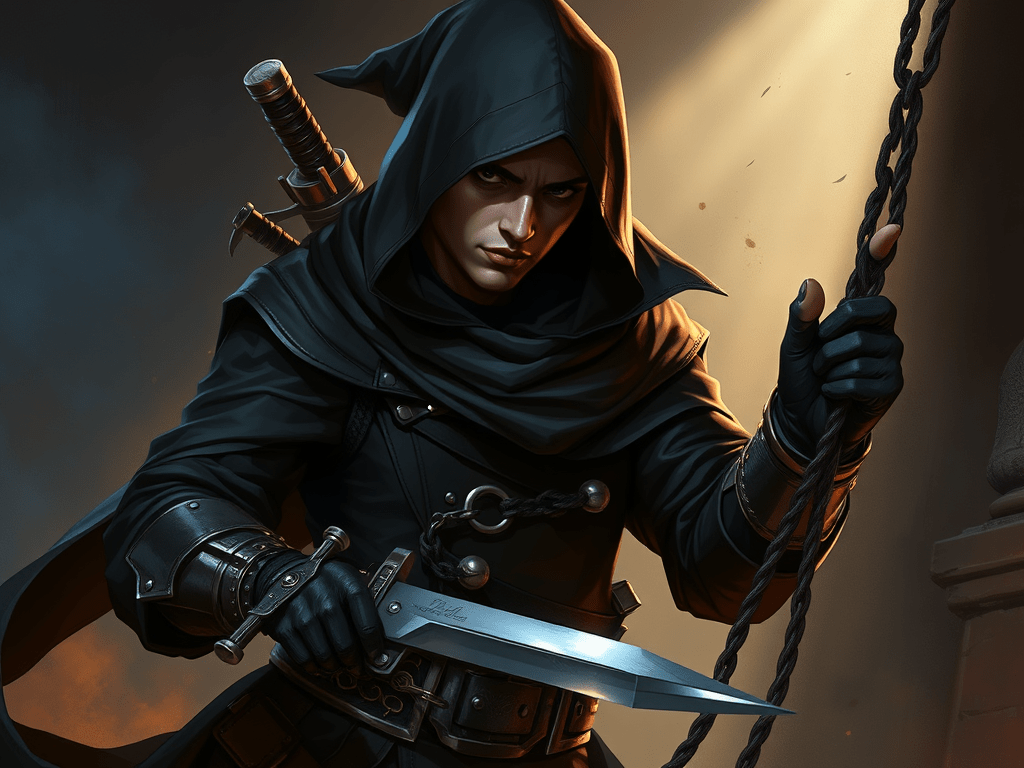
A 9th-level Assassin Rogue gains Infiltration Expertise, a feature focused on long-term disguise and identity work. In a lot of campaigns, this feature sees little to no use.
Using Variant Classes, that same rogue could instead take the Thief’s Supreme Sneak, reflecting a shift toward stealth mastery rather than social infiltration.
The character is still an Assassin. Their earlier subclass features stay the same. Only this one feature gets swapped.
GM Guidance
This rule works best with light oversight.
You can allow the swap automatically at level-up, or you can tie it to the story. A mentor, a rival, a period of downtime training, or a significant character moment can all justify the mechanical shift.
As a general guideline: keep swaps within the same class, avoid stacking multiple subclass-defining features at once, and treat this as refinement, not reinvention.
If a player is trying to cherry-pick every strongest option from across the board, that’s a table conversation, not a rules problem.
Final Thoughts
Variant Classes isn’t about optimization or power gaming. It’s about acknowledging that characters grow in unexpected ways, and the rules don’t always keep up.
This small change preserves class identity, respects the existing system, and gives players just enough room to make their characters feel like their own.
Sometimes that’s all a game needs.
If you’re new here, start below to explore the stories, games, and updates as they develop.
For the Readers
Fiction, short stories, and the worlds they come from.
For the Gamers
Campaigns, homebrew content, and tools for storytellers.
Behind the Scenes
Updates, reflections, and what’s next.
 Mason Beck Fiction
Leave a comment