d&d
-

I hope you all are having a great New Year and that it is treating you well. With everything going on in the world, and while trying to live a normal life, it can be a bit overwhelming and sometimes even feel impossible. We do the best we can with what we have and hope…
-
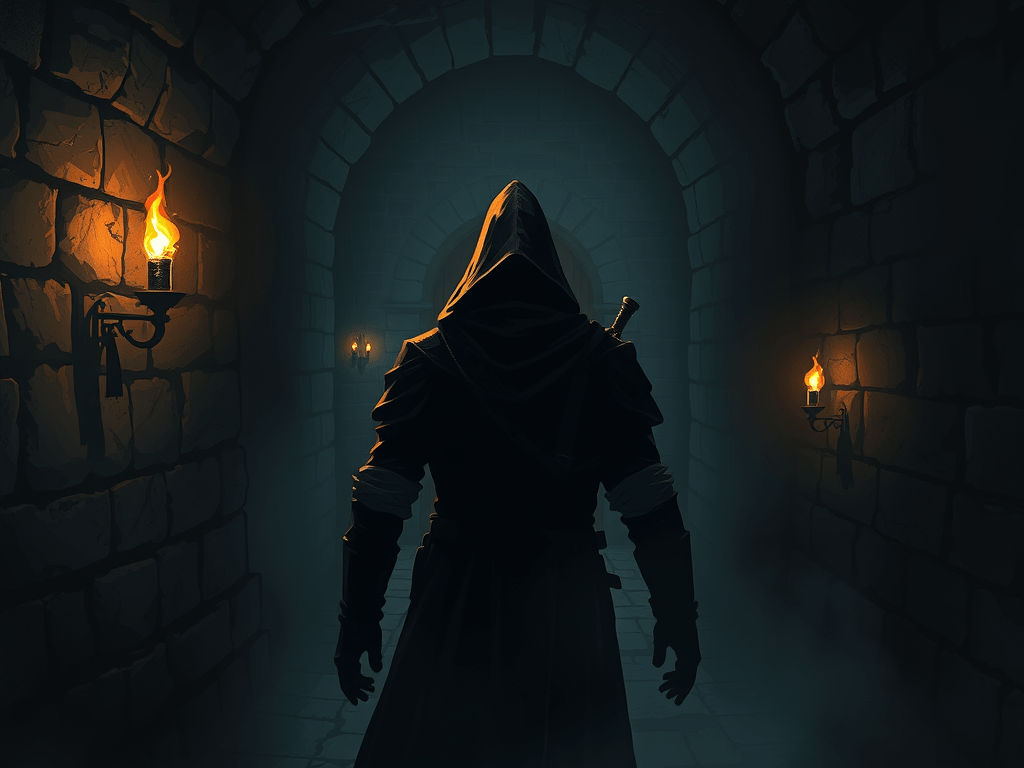
While working on my upcoming one-shot heist, The Alchemist’s Heirloom, I felt the need to add some mechanics to better support stealth-focused play. Many books, movies, and games include scenes where characters sneak in, infiltrate guarded spaces, and quietly dispatch those who might raise the alarm. D&D does not really support this style of play.…
-
This is the initial story hook and call to action for my upcoming TTRPG one-shot. Our last one-shot was a lighthearted comedy of errors. This one is a heist, and while I’m hoping to keep some of the humor, I want to add a level of challenge and emotion to it. It took longer than…
-
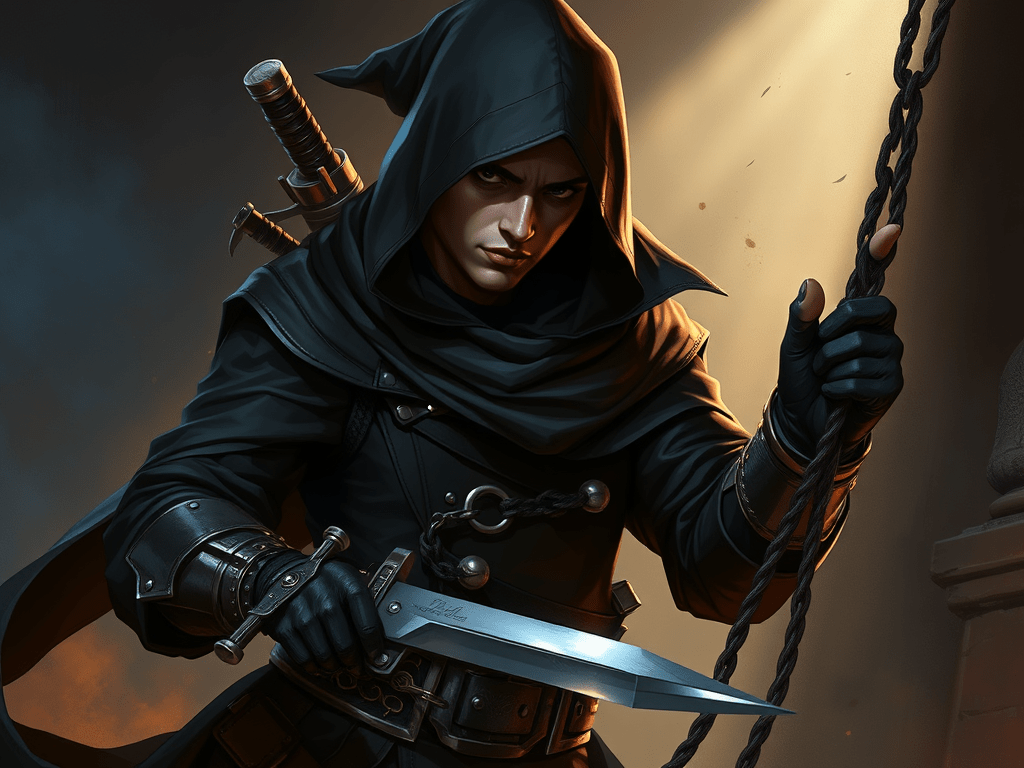
One of the ongoing friction points in Dungeons & Dragons is how rigid character progression can feel once you’ve locked in your subclass. Subclasses are meant to define your character’s specialization, but they often come with features that are underwhelming, overly narrow, or just don’t match how you actually want to play the character anymore.…
-

Somewhere between March and May, I’ll be stepping into the GM seat for a long campaign set in a new homebrew world I’ve been developing called The Winged Archipelago. I’ve been turning this one over in my head for a very long time, and as the campaign I’m currently a player in wraps up, I’m…
-
I originally intended to put out a single 2026 update near New Year’s, but as I started collecting my thoughts, it quickly became clear that it would turn into a very long post. More importantly, I wouldn’t really be able to do justice to some of the things I’m genuinely excited about without them getting…
-
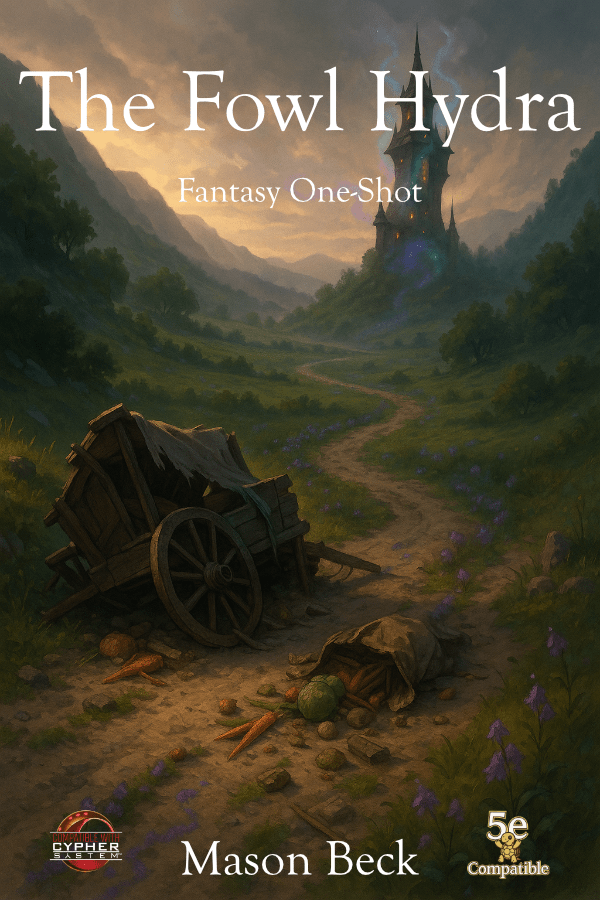
This one means a lot to me. The Fowl Hydra is officially live on DriveThruRPG, and I’m equal parts excited and nervous to finally put it out into the world. It’s a self-contained fantasy one-shot designed for a single session, built around escalating consequences, player choice, and a magical mistake that very quickly gets out…
-
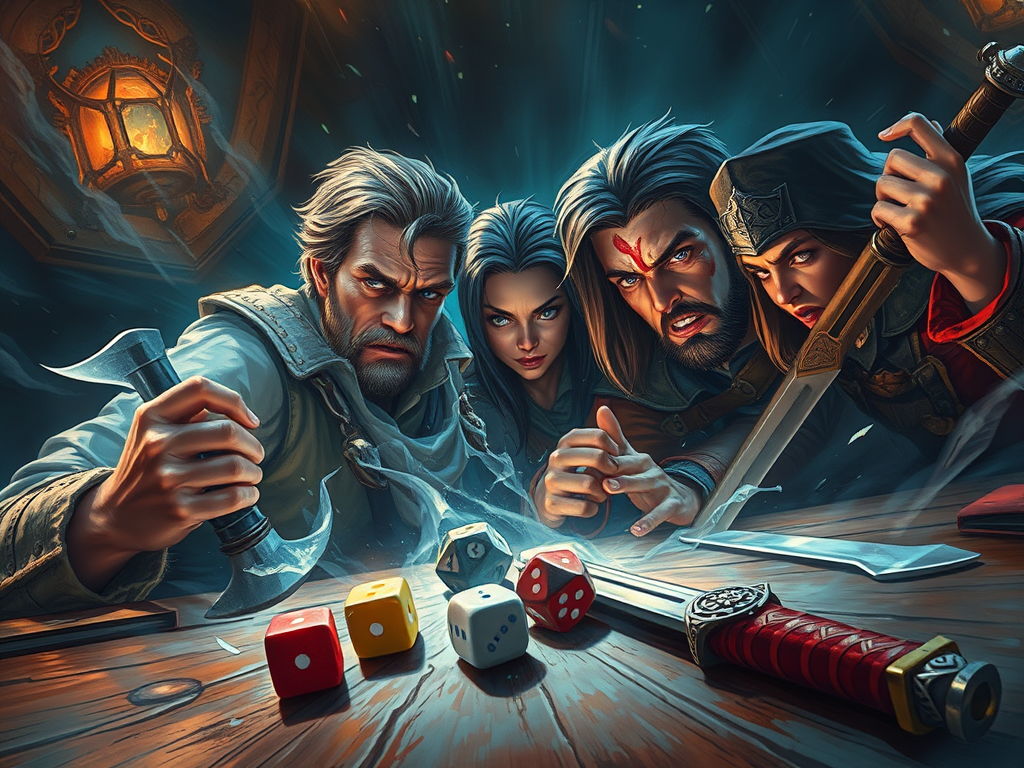
Sometimes the dice are kind. Sometimes they are just wasteful. That is where Rolling Advantage comes in. If a player rolls with advantage and hits a natural 20 on the first die, they do not need the second roll. They have already struck gold. So instead of throwing that second die away, they can bank…
-
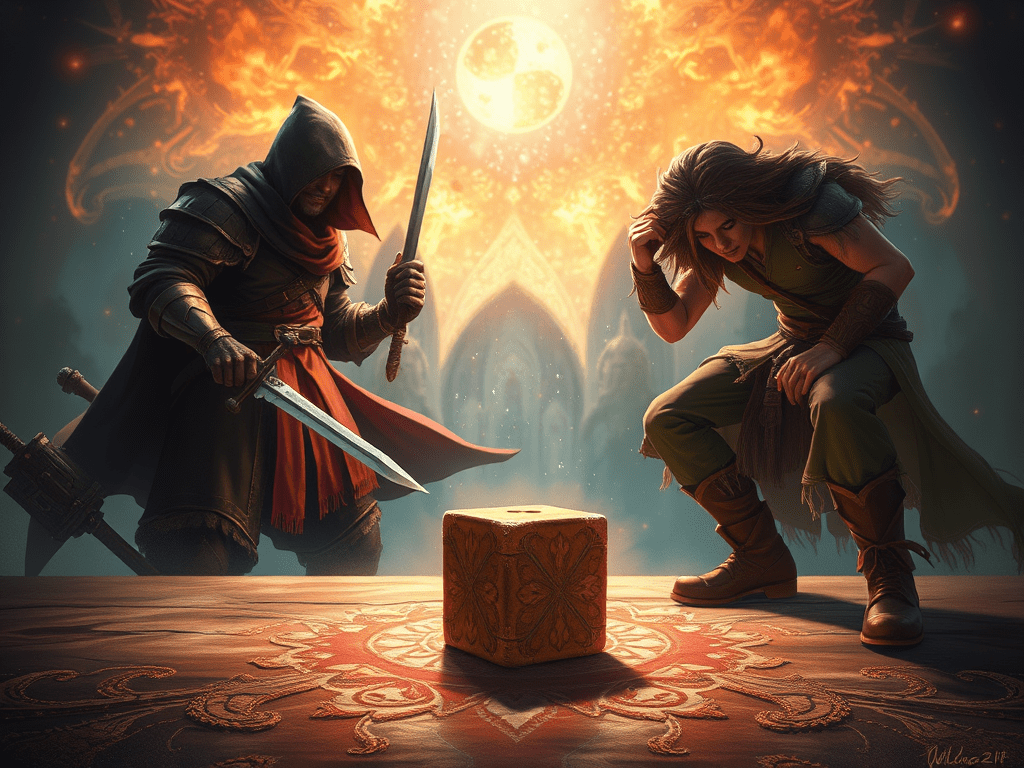
In my games, initiative is more than just a number. It’s a tone-setter. And sometimes, it deserves teeth. That’s why I use Critical Initiative. If a player rolls a natural 20 on initiative, they gain advantage on their first action in combat. If they roll a natural 1, they suffer disadvantage instead. Simple. Clean. No…
-
If you’ve watched Acquisitions Inc. or followed Chris Perkins’ games, you’ve probably seen the Perkin’s Crit in action. It’s not official rules, but it should be. Here’s how it works. When you land a critical hit, you deal maximum damage for your weapon’s base dice, then roll those same dice and add the result. So…
 Mason Beck Fiction